tea.equipment · sampling channel Encyclopedia · School · Atlas · Pu-erh · Equipment EN · RU · · · FR · ES · AR
tea.equipment Cart (0)
dry
wet
liquor
plantation

home · yixing-teapots

Yixing teapots

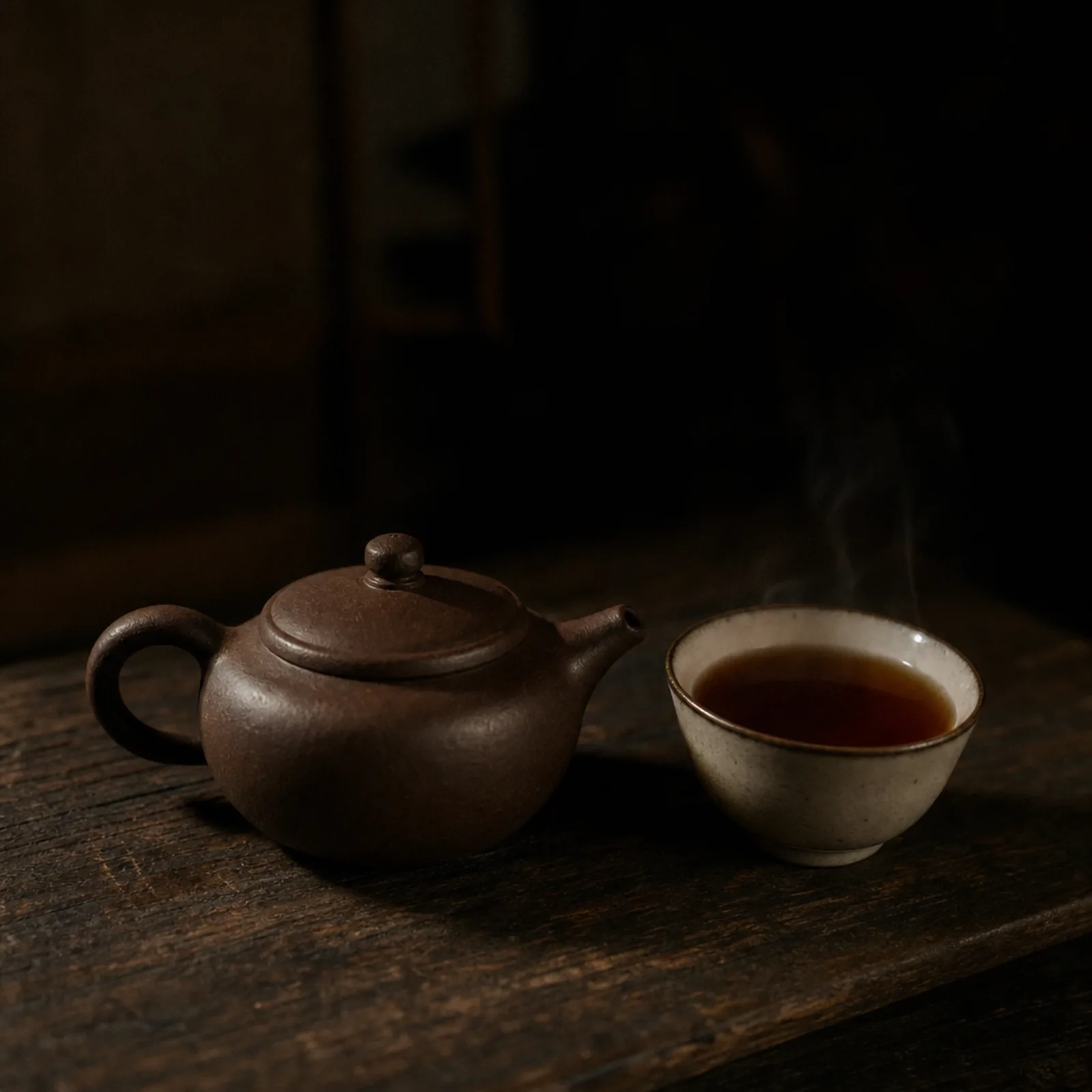
Dingshu Zisha Shipiao, 150ml

<em>Dīngshū Zǐ Shā Shípiáo</em>

紫砂石瓢

A 150ml hand-thrown zisha stone-ladle teapot from the old kiln roads of Dingshu — deep clay, clean pour, and a form that has held court in gongfu cha for centuries.

$302USD · 220 g

Weight
220 g
Processing
Hand-thrown, slab-built body, joined spout, single‑hole filter, reduction‑fired dark zisha clay.
Sourced by

from the old kiln roads of dingshu

Michael Zhan walked the narrow alleys of Dingshu village on a damp November morning, the air thick with iron‑rich clay dust. This batch of zisha was mined from a small family‑held seam near the old Number 4 Mine — a clay body with an unusually high mineral load that fires to a deep, almost charcoal hue. The potter, a quiet woman in her sixties who learned slab‑building from her father, shaped each shipiao over two days: cutting six slabs by hand, joining them without hurry, then carving the single‑hole filter with a bamboo pick. The teapot was reduction‑fired in a dragon kiln, held at temperature for fourteen hours, then cooled over three days. The result is a dense, low‑porosity stoneware that absorbs tea oils slowly — after ten or twelve sessions it begins to build a gentle patina. Michael brought only eight of these back from the autumn 2025 visit; this listing is one of the last from that lot. We recommend dedicating it to aged sheng pu’er — the thick walls and flat lid temper heat just enough to push a tea’s resinous notes forward without scalding them.

The leaf, brewed

what the pot brings to the session

dry leaf

Placed inside the warm shipiao, dry leaves release dark cherry, camphor, and old library scents — the narrow opening traps and concentrates the dry aroma.

wet leaf

After a flash rinse the leaves inside the pot open slowly; the pot’s heat retention draws out deep resin and petrichor.

liquor

Liquor pours a deep amber to copper, brilliantly clear, with a silky weight that coats the fairness cup.

aroma

Aroma rises in layered notes of antique wood, dried jujube, and a whisper of menthol — classic aged sheng markers.

taste

The shipiao softens the brittle edges of young bitterness and rounds the tea’s structure; the result is a creamy, forest-floor depth with a long, sweetening core.

finish

Finish lingers comfortably in the throat, slowly returning a cool, minty huigan that lasts several minutes.

Brewing

A method, not a recipe.

Method
gongfu
Ratio
1 g tea per 15 ml water — roughly 10 g for a 150 ml fill
Water temp
95–100°C, just off the boil for aged sheng
First infusion
10‑second rinse, then 15‑second first infusion
Subsequent
10+ infusions, adding 5 seconds each round after the 5th steep

The single‑hole spout pours fast — hold the cup close. Let the pot cool completely and dry between sessions to preserve the clay’s seasoning.

Sourced by

Michael Zhan

Procurement & Sourcing Specialist (China)

Full profile →