Vessel matcher
Which vessel, for the tea you actually brew
No account, no quiz score, no email gate. Pick the tea family below — the clay recommendation and the reasoning behind it appear immediately, with two or three real pieces from the current catalog, not a generic "buy everything" list.
Recommendation
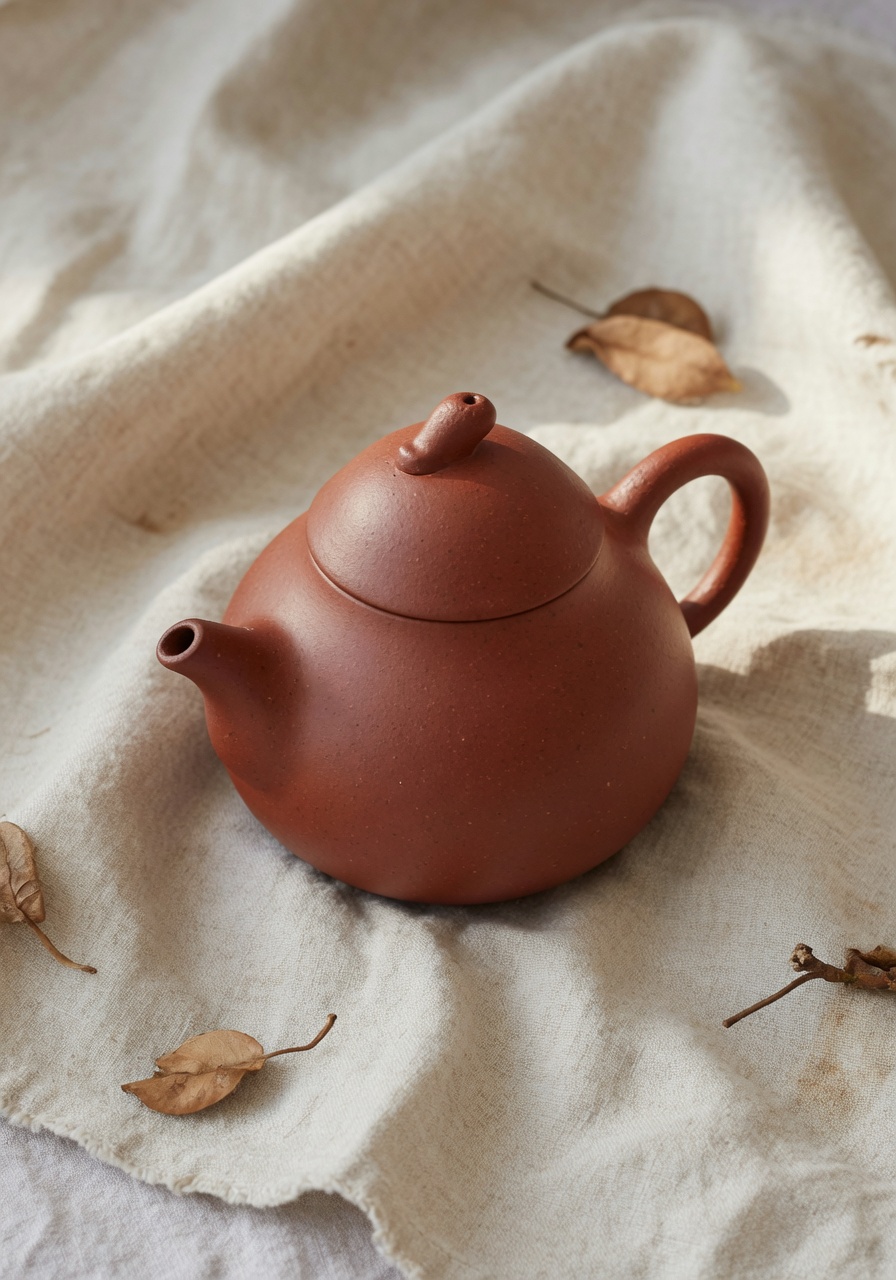
朱泥 zhū ní — Yixing red clay
Zhū ní fires dense and high, near 1200°C, leaving a fine, tight pore structure. That tightness holds the high aromatic notes in a rolled oolong instead of softening them — the same reason a small zhū ní pot pulls florals out of a Mí Lán Xiāng that a wider-pored clay would blur.
Recommendation
Jianshui zǐ táo — Yunnan purple clay
Jianshui clay is denser and more mineral than Yixing zhū ní. That density rounds tannins and deepens body in a heavy roast — useful as a second pot once your zhū ní is already dedicated to a lighter oolong, and forgiving of the abrupt heat a rock-oolong session runs at.
Recommendation
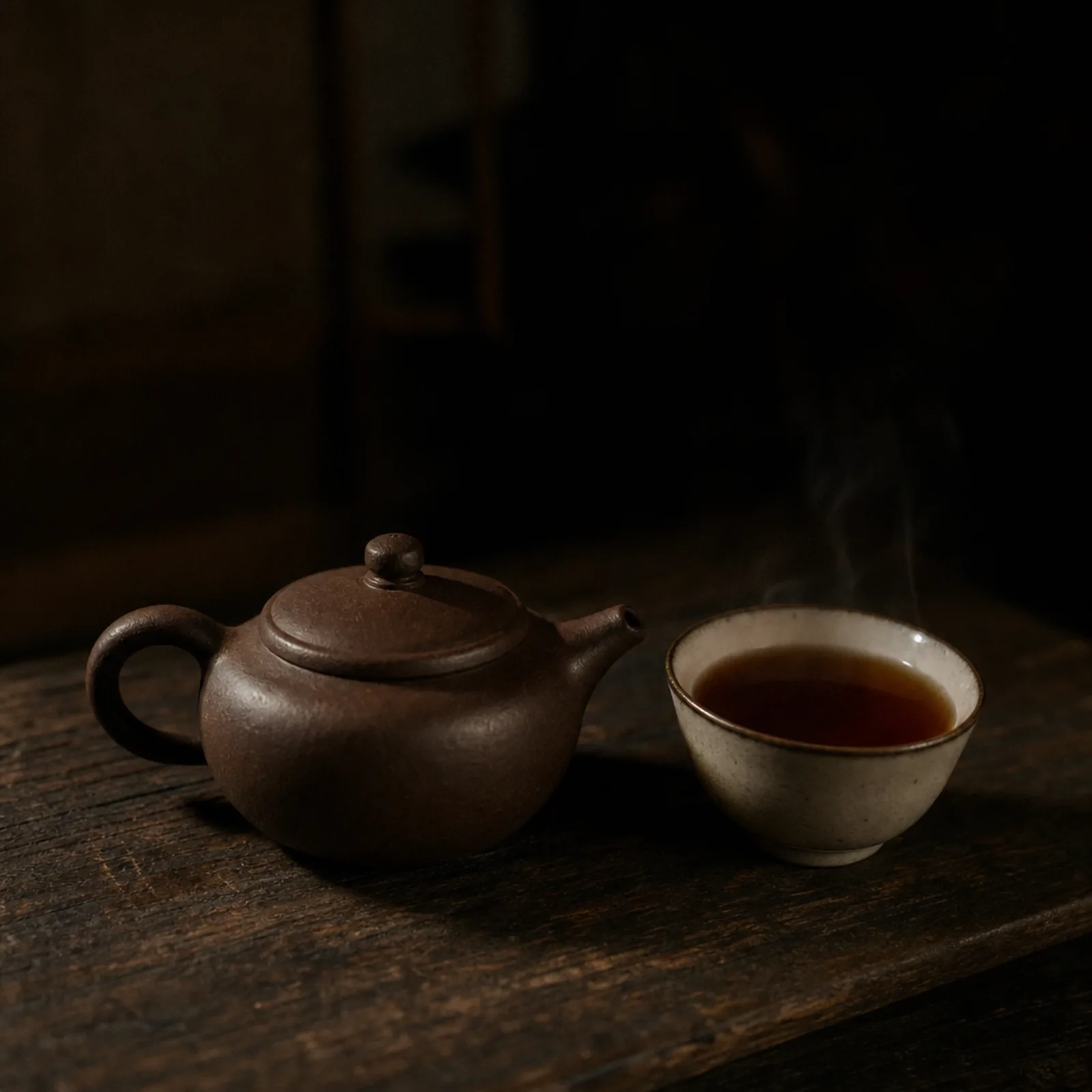
紫泥 zǐ ní — Yixing purple clay
Zǐ ní is the more forgiving Yixing clay — broader pore structure, softer pour, neutral enough to carry an aged sheng or a malty hóng chá without either fighting the clay. It is the everyday workhorse pot, not a narrow specialist like zhū ní.
Recommendation
段泥 duàn ní — Yixing buff clay
Duàn ní breathes more freely than zhū ní or zǐ ní — a looser, sandier structure suited to the heavier, earthier register of shou and other dark teas, without turning the liquor muddy the way a tighter clay can.
Recommendation
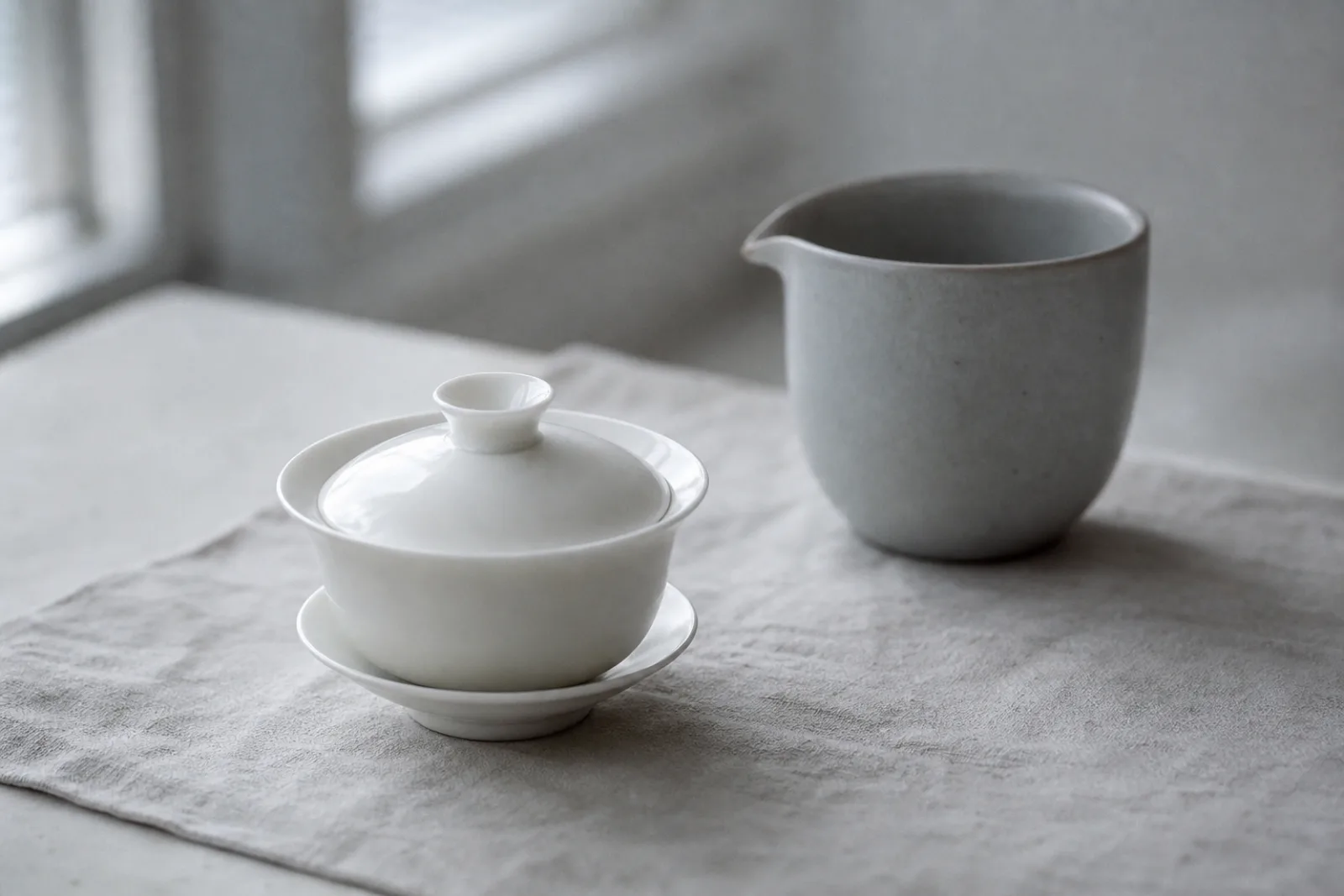
Thin porcelain or Ru-yao crackle gaiwan
This leaf needs low, fast-dropping heat and a vessel that adds nothing to the cup. Unglazed clay is the wrong tool here — its pores would blur exactly the subtlety you are brewing for. A thin-walled gaiwan cools quickly between pours and stays neutral.
Recommendation
Neutral porcelain gaiwan
Porcelain is vitreous and non-porous — it carries no memory between sessions, so you can move from an oolong to a black tea to a green in the same afternoon without ghosting one brew into the next. Save a dedicated clay pot for the one tea you brew often enough to commit to.
This matcher covers the tea families where clay actually changes the cup — it will not tell you Yixing is required for tea it is not suited to. For the full reasoning on how Yixing clay is mined, fired, and seasoned, read the Yixing clay guide. For care and repair once you own a piece, see the care guide.