Utensilios Gongfu · Enfoque en Yixing
Recipientes que dan forma a la infusión antes que tú
Ya preparas un té específico y necesitas el recipiente que no lo apague — no un gran almacén de teteras. Tea.equipment es el catálogo para esa decisión — teteras *zǐshā* (紫砂), gaiwan de porcelana, jarras de justicia, *chá hé* (茶荷) botes de presentación — cada pieza proviene de artesanos identificados y se envía con instrucciones de cuidado escritas por sommeliers en activo.
32
piezas en el catálogo
10
categorías, de arcilla a porcelana
3
talleres con nombre perfilados
Por recipiente
Six categories, one ritual
Cada sesión de gongfu se reduce a la misma media docena de formas — elegidas por la arcilla, el esmalte, el volumen y la forma en que cada pieza retiene el calor a lo largo de las infusiones.
Registro del estudio
What arrived this week
- New shipment from Dīngshān — 14 *zhū ní* teapots, 80–140ml
- Restocked: Jingdezhen thin-wall gaiwan, 110ml, ivory glaze
- Care guide published — seasoning a new *duàn ní* pot in 21 days
- Travel notes from tea.travel — visiting the kiln district in Yixing
- Pairing notes added — Dancong oolong × 90ml *zhū ní*
- Sample program live via tea.gratis for first-time clay buyers
Esta temporada
Hand-picked for the autumn table
Seis recipientes elegidos por nuestro equipo de sommeliers para acompañar los tuestes más intensos y las hojas añejadas que entran en rotación.
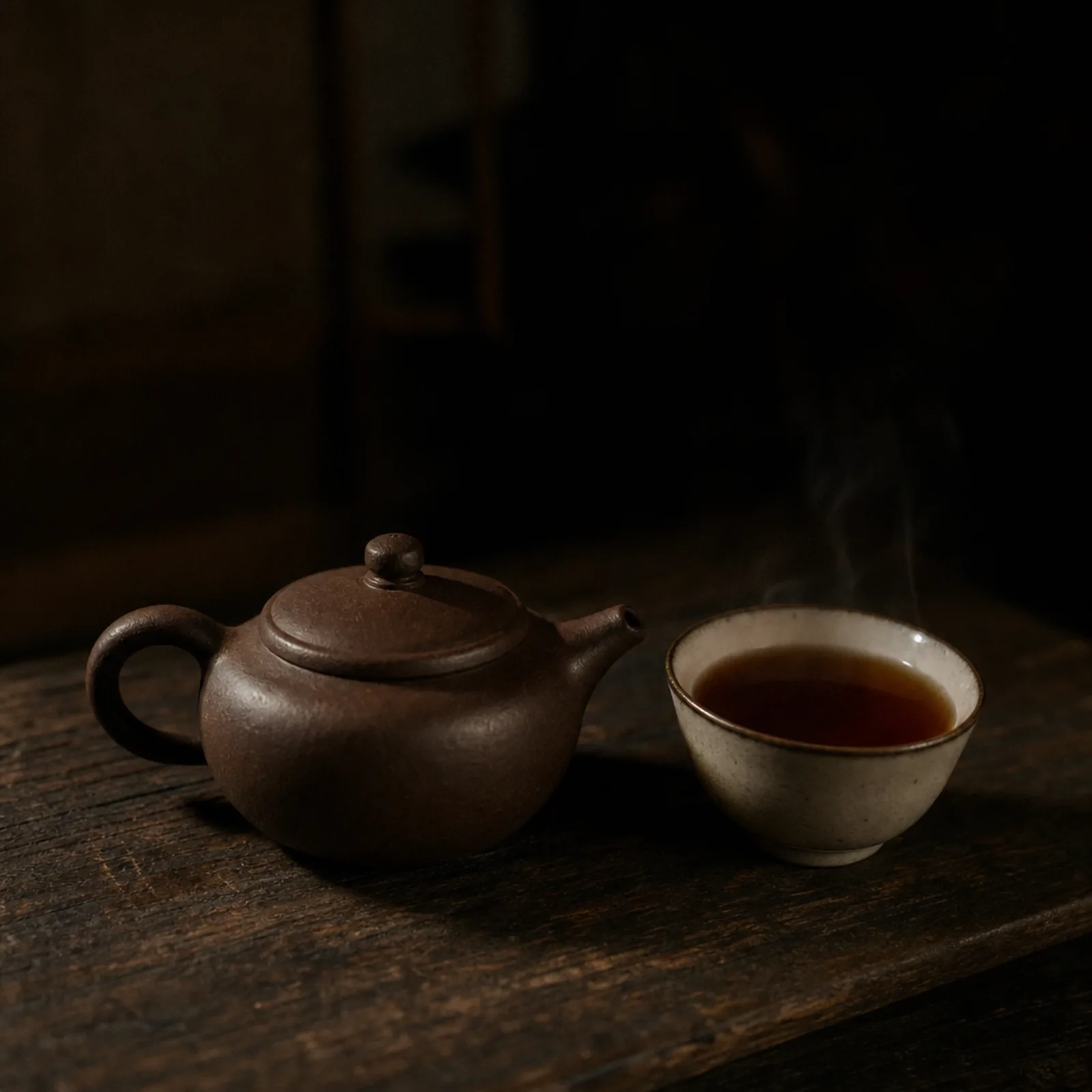
Dingshu zisha shipiao, 150ml
Dīngshū Zǐ Shā Shípiáo · 紫砂石瓢
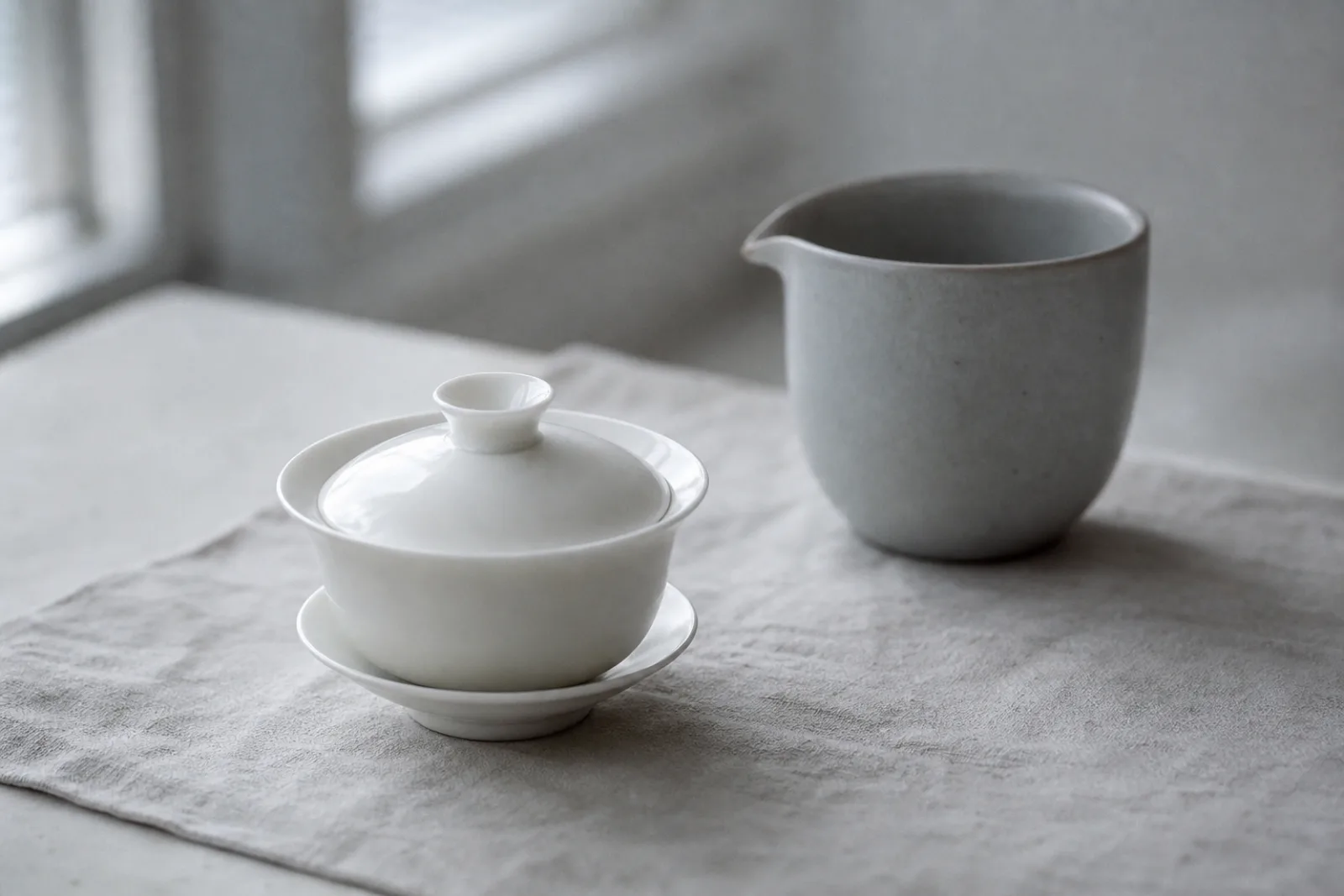
Jingdezhen white porcelain gaiwan, 90ml
Jǐngdézhèn báicí gài wǎn · 景德镇白瓷盖碗
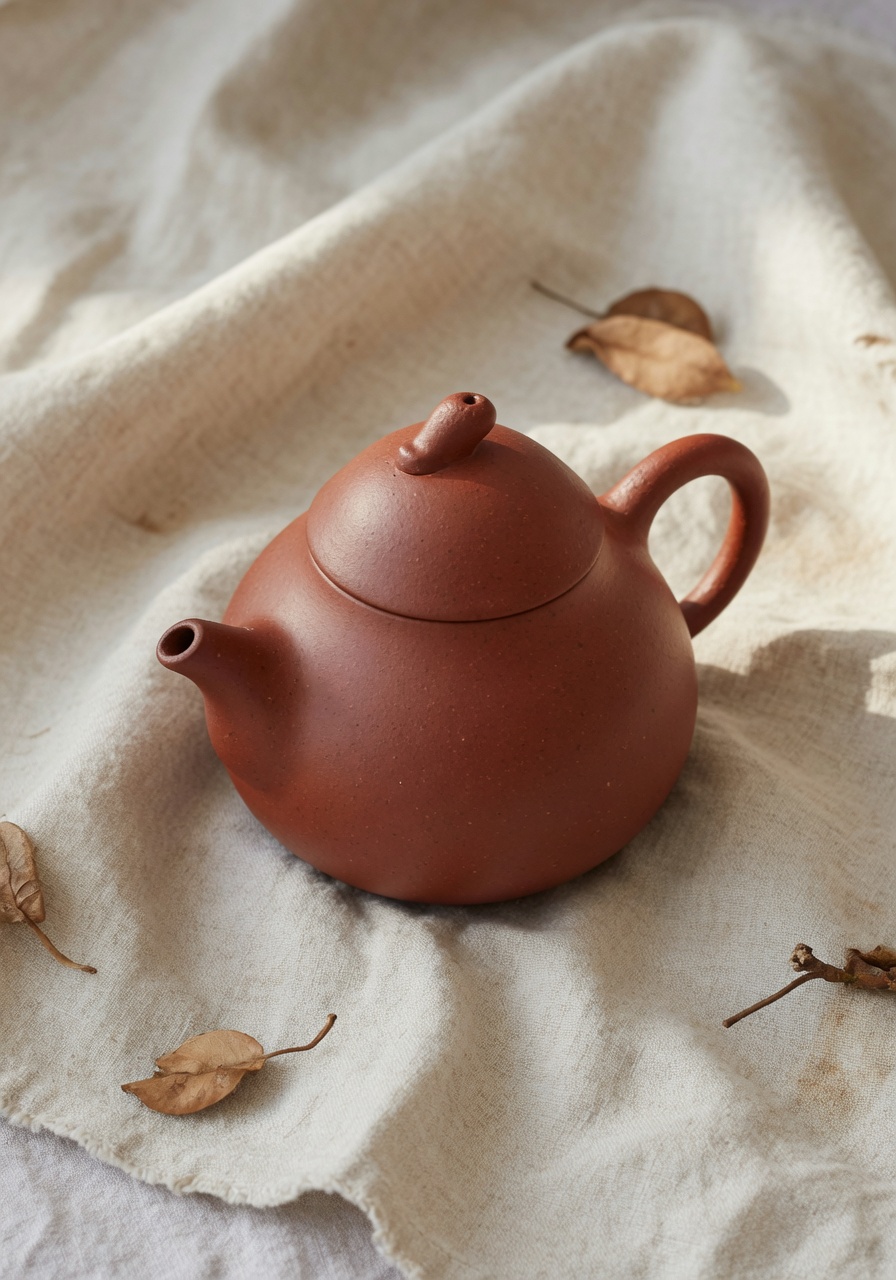
Dingshu zhuni pear, 100ml
Dīng Shǔ · Zhū Ní · 丁蜀 · 朱泥
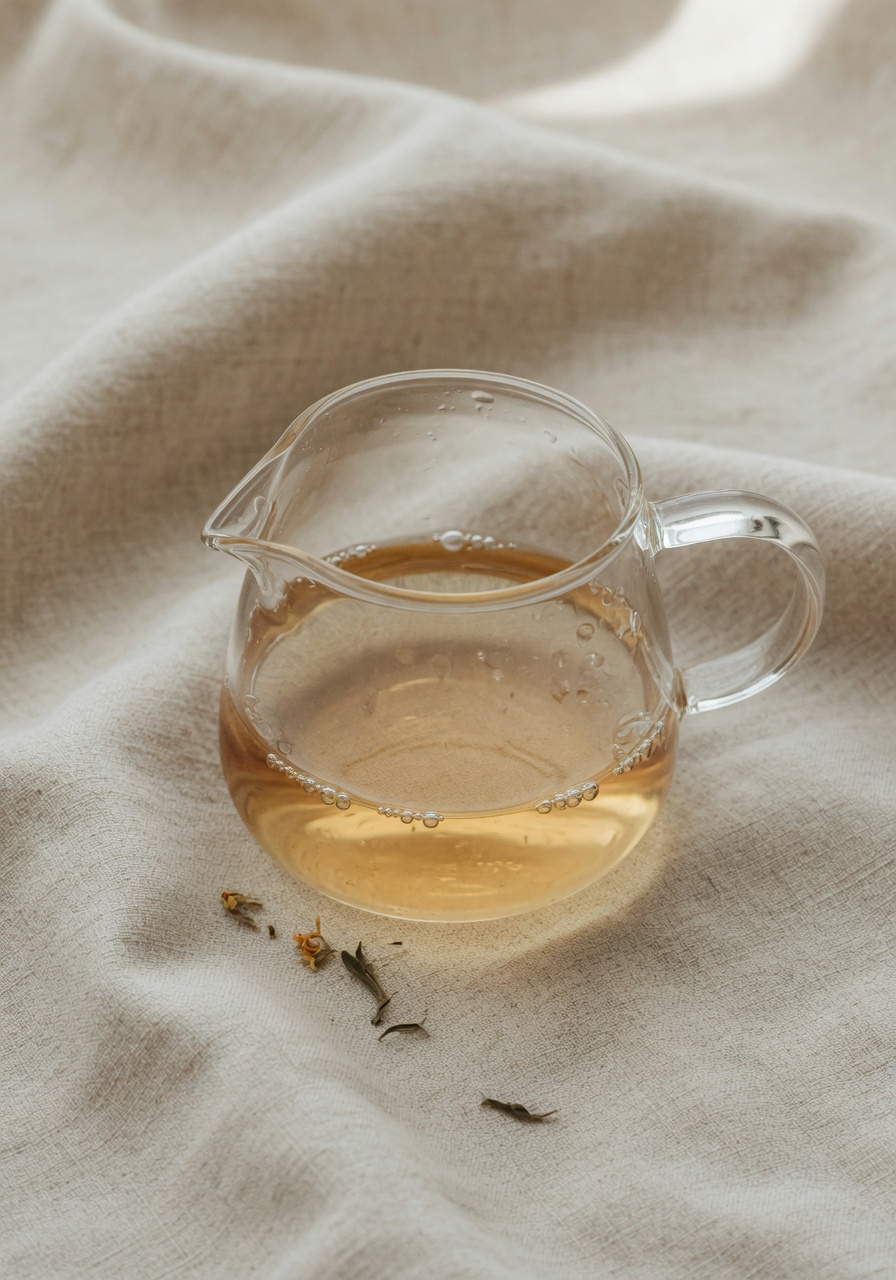
Cha hai glass pitcher, 150ml
Chá Hǎi · 茶海
Zisha tasting cup set, four 35ml
Zǐshā pǐnmíng bēi tào zhuāng — sì zhī 35 háoshēng · 紫砂品茗杯套装 (四只)
Bandeja de té de piedra, pizarra de 30×30 cm
Cómo usar este sitio
Three paths in, one cabinet out
Start with a 110ml porcelain gaiwan, a glass fairness pitcher, and two tasting cups. We have a curated starter shelf at €120 — and free leaf via tea.gratis to brew in it.
Read the clay guide before you buy. *Zhū ní* for oolong, *zǐ ní* for aged pu-erh, *duàn ní* for white and yellow. Volume matters more than ornament.
We supply restaurants and tearooms with matched sets — 12 to 60 covers — through the wholesale desk at shop.thetea.app. Lead time three weeks.
Antes de comprar
Questions we get most weeks
How do I season a new Yixing teapot?
Rinse with boiling water, brew the tea you intend to dedicate to it, and pour the liquor over the outside for the first three sessions. Full method on the Yixing guide page.
One pot, one tea — is it really necessary?
For unglazed clay, yes. The pores hold oils from previous brews. Dedicate a *zhū ní* pot to oolong and a *zǐ ní* pot to ripe pu-erh — never cross them.
Where do your pots actually come from?
Dīngshān (Yixing) workshops for clay, Jingdezhen for porcelain, Fújiàn co-ops for bamboo. Every listing names the workshop. No anonymous stock.
Can I learn the ritual itself somewhere?
Yes — tea.school runs a four-week gongfu course, and tea.events lists in-person ceremonies in Berlin, Lisbon, and Saint Petersburg.
Empieza con un recipiente