GONGFU WARE · YIXING FOCUS
Vessels that shape the brew before you do
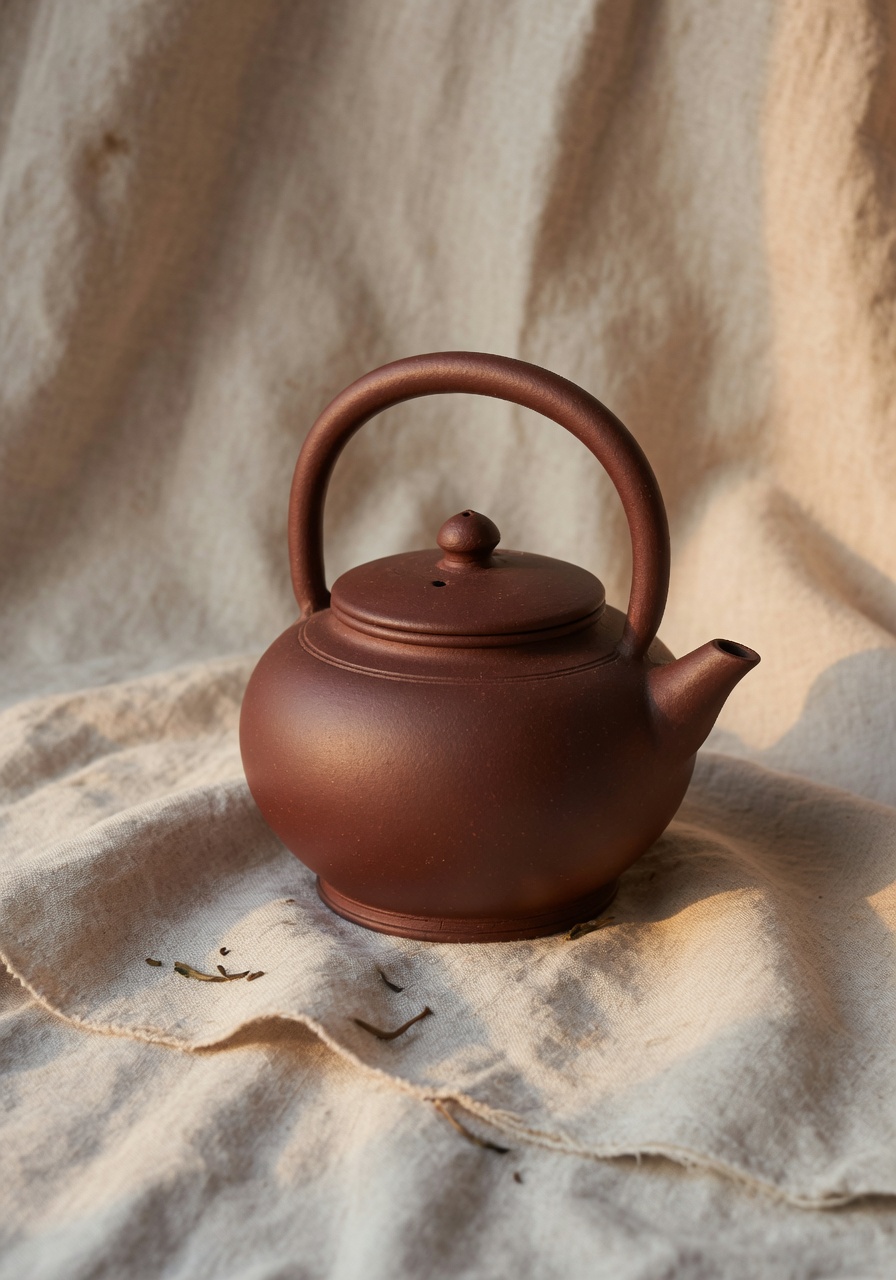
Tea.equipment is the catalog and studio for ceremony-grade ware — *zǐshā* (紫砂) teapots, porcelain gaiwan, fairness pitchers, *chá hé* (茶荷) presentation boats. Each piece is sourced from named artisans, photographed in studio, and shipped with care instructions written by working sommeliers.
412
vessels in active catalog
37
named workshops
6
clay bodies documented
1.2k
care notes published
94%
ship within 48h
By vessel
Six categories, one ritual
Every gongfu session resolves down to the same handful of shapes — chosen for clay, glaze, volume, and the way each piece holds heat across infusions.
Studio log
What arrived this week
This season
Hand-picked for the autumn table
Six vessels chosen by our sommelier team to match the heavier roasts and aged leaves coming into rotation.
Sommelier picks
The people who match leaf to clay
Our equipment recommendations are written by working tea experts — not generalists. They pair every featured pot with leaves they have actually brewed in it.
How to use this site
Three paths in, one cabinet out
Start with a 110ml porcelain gaiwan, a glass fairness pitcher, and two tasting cups. We have a curated starter shelf at €120 — and free leaf via tea.gratis to brew in it.
Read the clay guide before you buy. *Zhū ní* for oolong, *zǐ ní* for aged pu-erh, *duàn ní* for white and yellow. Volume matters more than ornament.
We supply restaurants and tearooms with matched sets — 12 to 60 covers — through the wholesale desk at shop.thetea.app. Lead time three weeks.
Before you buy
Questions we get most weeks
How do I season a new Yixing teapot?
Rinse with boiling water, brew the tea you intend to dedicate to it, and pour the liquor over the outside for the first three sessions. Full method on the Yixing guide page.
One pot, one tea — is it really necessary?
For unglazed clay, yes. The pores hold oils from previous brews. Dedicate a *zhū ní* pot to oolong and a *zǐ ní* pot to ripe pu-erh — never cross them.
Where do your pots actually come from?
Dīngshān (Yixing) workshops for clay, Jingdezhen for porcelain, Fújiàn co-ops for bamboo. Every listing names the workshop. No anonymous stock.
Can I learn the ritual itself somewhere?
Yes — tea.school runs a four-week gongfu course, and tea.events lists in-person ceremonies in Berlin, Lisbon, and Saint Petersburg.
Start with one vessel