tea.equipment · sampling channel Encyclopedia · School · Atlas · Pu-erh · Equipment EN · RU · · · FR · ES · AR
tea.equipment Cart (0)

home · catalog

热与水

茶真正需要的温度而调校的热水壶

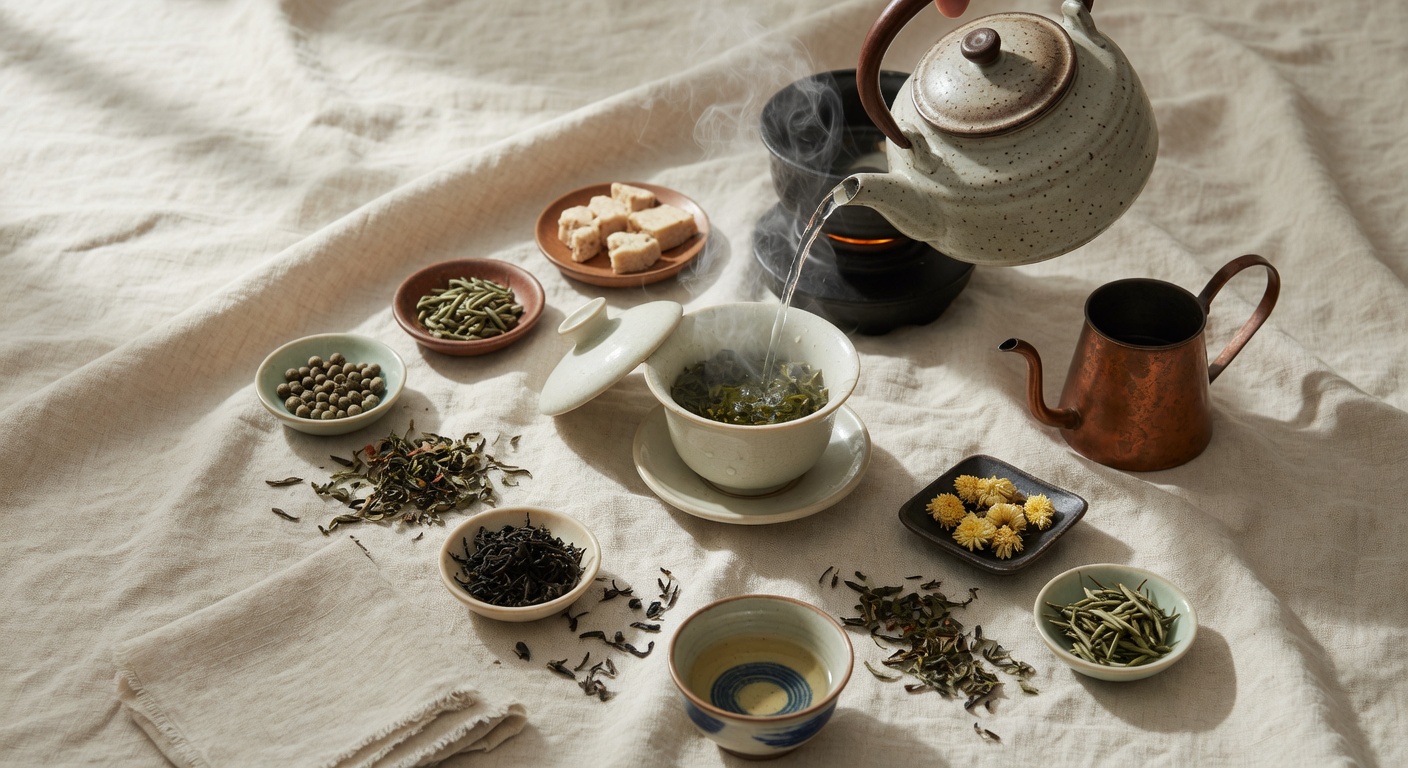
热水壶是每泡茶中安静的另一半。茶叶受赞誉,但决定绿茶是甜或涩、*yán chá*(岩茶)是舒展或闭锁的,是水——它的温度、流动、沸腾的速度。此分类收纳专为茶而非咖啡打造的电热壶与炉上壶。

热与水

为何茶人对热水壶如此执着

咖啡只用一种温度。茶并不如此。白毫银针白茶需要的温度约 75°C——如果加温太高,茶芽上的毫毛会煮焦,茶汤变得乏味。烘焙过的武夷岩茶需要剧烈翻滚的沸腾,才能将焦炭味提升为香气。年轻的shēng(生)普洱则介于两者之间,而陈年shóu(熟)普洱需要你所能提供的最热、最猛烈的水。一片叶子、一种温度,这就是热水壶必须履行的规则。

这就是茶壶的设计不同于咖啡手冲壶的原因。依重要性顺序为:精准的可变温度、保温功能让第二泡与第一泡起始热度相同、低噪音使壶声在对话中隐没、可控制而不矫作的注水,以及不会渗入水中异味的材质。玻璃壶让你看见壶内的状态。不锈钢坦然而安静。铸铁和陶土则属于炉上,置于炭火或电磁炉上,缓慢升温至沸腾的过程本身就是仪式的一部分。

水本身与热水壶同样重要。低总溶解固体(TDS)的软水让香气化合物充分绽放;硬水则会使绿茶平淡、清发酵乌龙变得沉闷。如果自来水的 TDS 读数超过 150 ppm,一个简单的管线过滤器或瓶装泉水,对您的冲泡效果,比任何新盖碗更有帮助。我们在tea.school的同事于水质单元中涵盖了这一点——如果您曾疑惑为什么茶在朋友家喝起来不一样,这一个小时绝对值得。

在制程方面,热水壶自 1990 年代以来变化不大——改变的是固件。现代可变温壶能维持 ±1°C,记忆每种茶款的缺省温度,并安静地启动。而炉上壶则走上了另一条路:来自日本和中国工匠的手造tiě hú(鉄壶),因释放微量铁质于水中而备受珍视,能以电热方式难以仿造的方式为深色茶的茶体增添甜润。两者皆有其定位。哪一种该放在您的桌上,取决于您希望机器为您处理多少仪式环节。

本季热水壶

一份简短清单——我们只上架会放在自己冲泡桌上的壶款。每一款都经过我们所售的各茶类冲泡测试。

A buyer's note

How to choose a kettle

让容量与您的茶席相符

Gongfu sessions rarely need more than 1L. A larger kettle wastes energy reheating and holds water longer, where it goes flat and de-oxygenated.

温度可调是必要条件

If you drink green, white, or light oolong, a single-button boil-only kettle will dull every cup. Look for 1°C increments from 40°C to 100°C.

保温功能比加热速度更重要

A kettle that boils in 90 seconds but cools immediately forces you to re-heat between steeps. A 30-minute hold at temperature is worth more than raw wattage.

留意内胆材质

Stainless 304 or 316 is safest. Avoid plastic linings and unspecified alloys. Glass with a stainless base is excellent for visual feedback and stays neutral.

壶嘴形状决定注水的掌控

A long, narrow gooseneck pours slow and precise — good for matcha and light greens. A wider spout pours fast and turbulent — better for awakening dark teas and pu-erh.

考虑另备一只炉上壶

Cast iron or clay on induction gives a different mouthfeel to aged and dark teas. Many practitioners keep an electric for daily use and a *tiě hú* for weekend sessions.

Common questions

Asked, answered.

Do I really need a variable-temperature kettle?

If you drink anything other than black tea and dark pu-erh, yes. Greens, whites, yellows, and light oolongs are temperature-sensitive in ways a boil-only kettle can't serve.

Is glass or stainless better?

Both are neutral. Glass shows you the boil and any sediment from your water. Stainless is more durable and quieter. Pick on aesthetics — performance is similar.

What about plastic parts?

Avoid kettles where water touches plastic at temperature. Plastic on the handle or base is fine. Plastic in the spout or chamber is a hard no for us.

How accurate is 'variable temperature' really?

Good kettles hold ±1°C. Cheaper ones drift ±5°C, which matters for a 75°C white tea. We test every model with a calibrated probe before listing.

Can I use a stovetop kettle on induction?

Only if its base is ferromagnetic. Most cast iron *tiě hú* work on induction; pure clay does not. Check the product page — we list compatibility for each item.

Does the kettle change the taste of water?

Stainless and glass are neutral. Cast iron releases trace iron that sweetens dark teas. Clay can soften hard water slightly. The effect is real but subtle.

What water should I put in the kettle?

Soft spring water, 30-90 ppm TDS, is the sweet spot for most teas. Filtered tap is fine if your area is soft. See the water module at tea.school for specifics.

How does this pair with the rest of my setup?

Pair with a gaiwan or *zǐshā* (紫砂) teapot from our [teapots category](https://tea.equipment/category/teapots.html), and a fairness pitcher sized to your kettle's pour.