tea.equipment · sampling channel Encyclopedia · School · Atlas · Pu-erh · Equipment EN · RU · · · FR · ES · AR
tea.equipment Cart (0)

home · catalog

Brewing accessories

The small tools that make a gongfu table work

A gaiwan and a kettle will brew tea, but the table around them is what turns brewing into a session. Fairness pitchers, picks, strainers, cup trays, linen cloths — each small object solves a problem you only notice once it is missing.

Brewing accessories

Why the accessory drawer matters more than the teapot

Most beginners spend their first budget on a pot and a gaiwan, then discover that the session still feels clumsy. Tea drips down the side of the gaiwan, leaves clog the spout, the pitcher pours unevenly, the cups sit in a puddle. Accessories are the answer to all of these small frictions. They are not decorative — they are the difference between a session that flows and one that fights you.

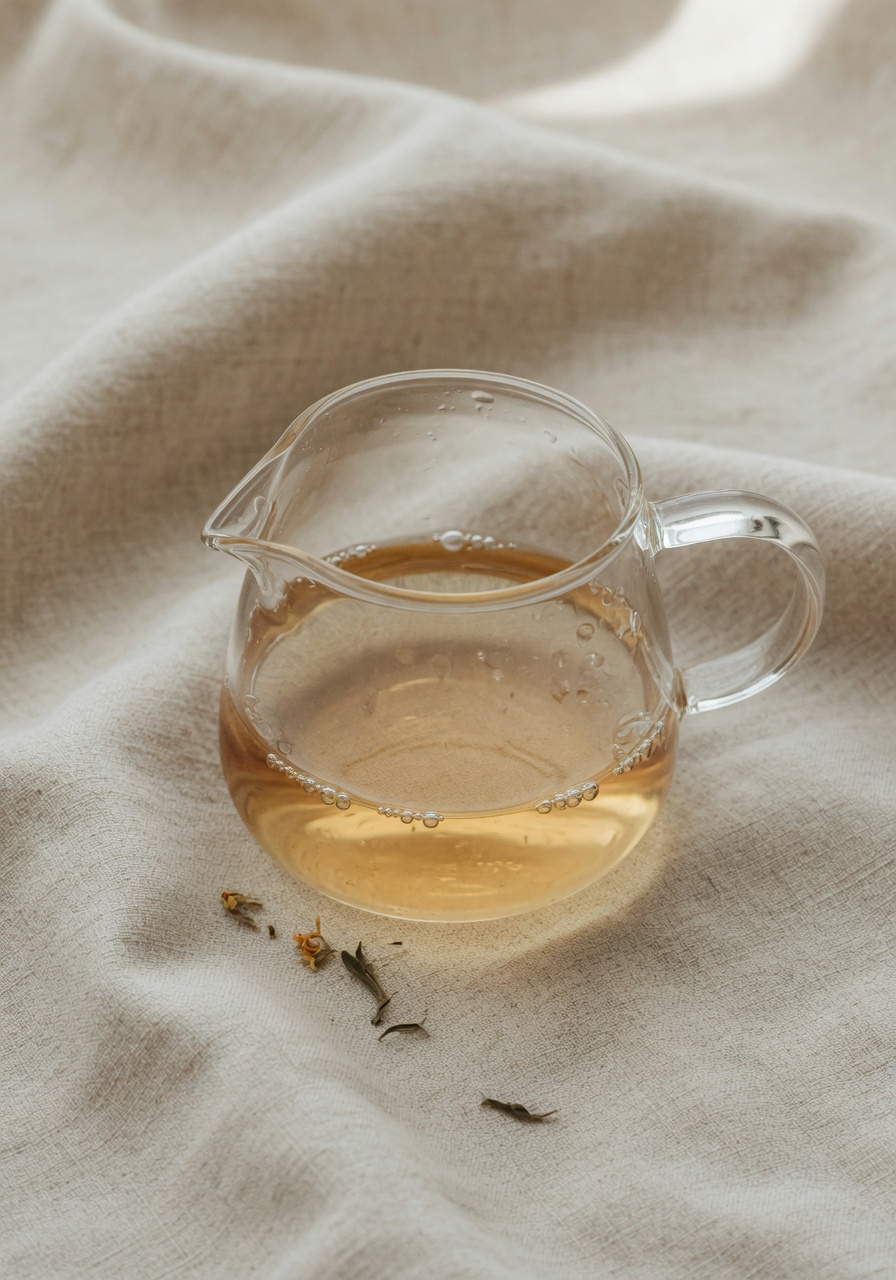
The chá hǎi (茶海), literally ‘tea sea’, is the most important of these. A fairness pitcher receives the full pour from the brewing vessel so that every cup at the table tastes the same — the first cup is no stronger than the last. In Chaozhou tradition the cha hai was historically skipped, with the host pouring directly into a tight ring of cups, but in modern gongfu practice across Guangdong and Fujian it has become standard. Glass is now the dominant material because it lets you read the liquor: a Wuyi yancha should glow amber-orange, a young sheng should be pale gold with green edges, an aged shou should be the colour of dark coffee with red highlights.

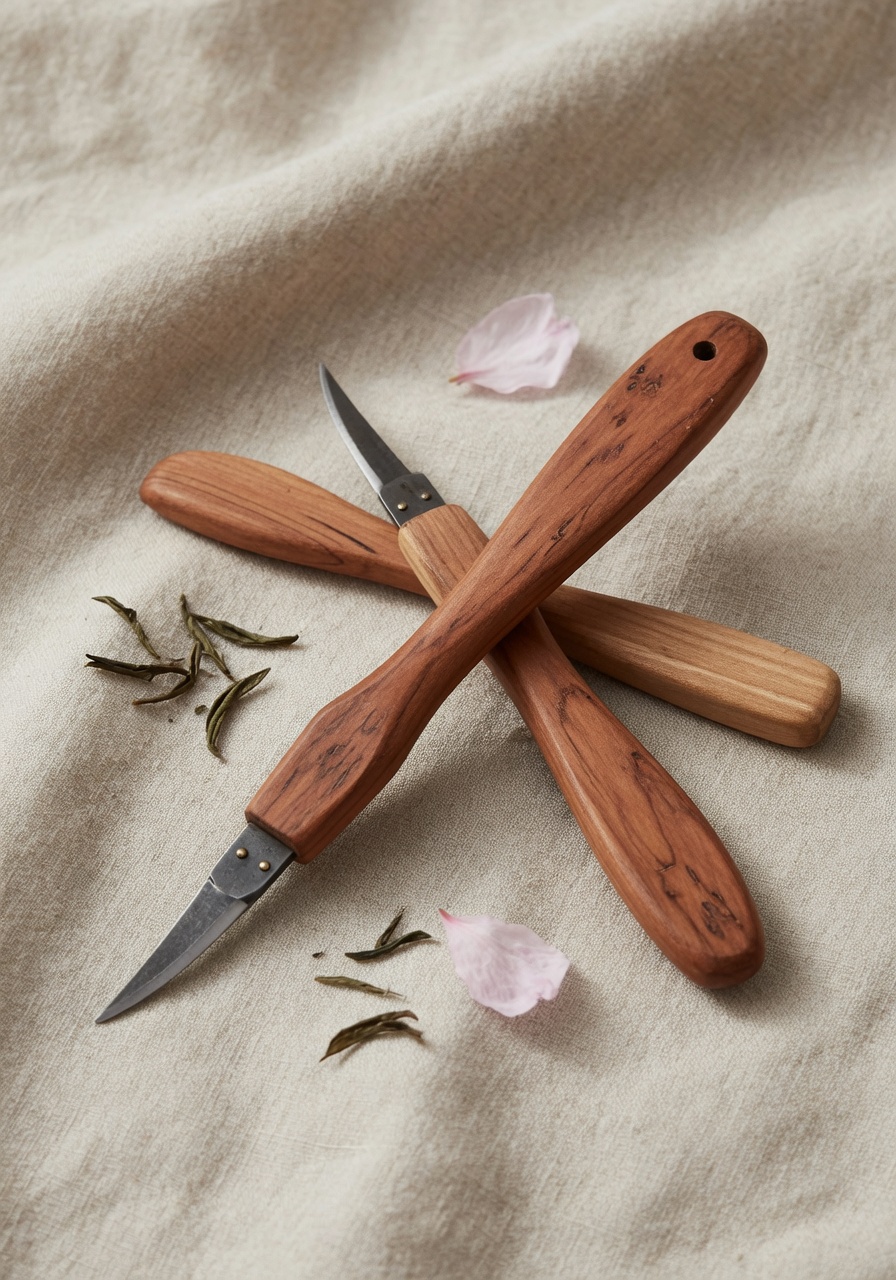
Tea picks (chá zhēn 茶针) solve a separate problem. Compressed teas — pu-erh cakes, white tea bricks, liu bao baskets — need to be broken apart along their natural layers, not crushed. A good pick is thin enough to slide between leaf layers, strong enough not to bend, and shaped from a wood that will not splinter into your tea. Cherry, boxwood, and aged bamboo are the traditional choices.

Strainers, linens, and cup trays round out the set. A fine mesh strainer placed over the cha hai catches broken leaf and dust, which matters especially for hong cha and broken-grade pu-erh. Linen cloths — usually unbleached cotton or hemp — wipe condensation from pot bellies and cup rims between steeps. Cup trays (bēi tuō 杯托) keep wet cups off the table cloth and give each guest a defined place at the table.

For the full ceremonial layout, see the gongfu setup guide on tea.school and the deeper history of the cha hai on thetea.app.

This season’s accessories

Two small objects that we use on our own tables every day — a clear glass pitcher and a hand-shaped cherry-wood pick.
A buyer's note

Choosing accessories that last

Match the pitcher to your pot

A cha hai should hold 1.2× to 1.5× the volume of your brewing vessel. A 100ml gaiwan pairs naturally with a 150ml pitcher — room for the pour without overflow.

Glass first, then clay

Start with a clear glass cha hai so you can read every liquor. Add unglazed clay or porcelain pitchers later, once you know which teas you brew most and want to flatter.

Pick the pick by the tea

Cherry and boxwood for pu-erh cakes and dense bricks. Bamboo for loose compressed whites. Avoid metal picks — they bruise leaves and scratch lacquered tea trays.

Check the spout, not the body

A cha hai's whole job is a clean pour. Test it with water before you buy: it should cut off sharply without dribbling down the lip.

Wash with water only

Soap leaves residue that crosses into the next session. Rinse cha hai and strainers with hot water, dry with a linen cloth, and let everything air on a slatted tray.

Build the set slowly

One pitcher, one pick, one strainer, one cloth — this is enough for a year of practice. Cup trays and tea pets come later, once your table tells you what it needs.

Common questions

Asked, answered.

Do I really need a cha hai if I'm brewing for one person?

Yes — even solo, it stabilises the steep. Without one, the leaves keep extracting in the gaiwan between sips and the last mouthful turns bitter.

Glass or porcelain pitcher?

Glass for learning and for showing colour. Porcelain or celadon once you have a tea you brew weekly and want to soften its edges. Most practitioners own both.

How do I clean a glass cha hai that has stained?

A paste of baking soda and warm water, left to sit for ten minutes, lifts most tea film. Avoid scouring pads — micro-scratches hold future stains.

What's the difference between a tea pick and a tea knife?

A pick is thin and round, made to slide between leaf layers. A knife is flat and wedge-shaped, made to split a cake. Most pu-erh drinkers own both — see the pu-erh prying guide on [puerh.app](https://puerh.app).

Can I use a coffee strainer for tea?

Technically yes, but the mesh is usually too coarse for hong cha dust and too metallic in taste. A dedicated tea strainer in stainless or bamboo costs little and changes the cup.

Why are some cha hai shaped without a handle?

Handleless pitchers (the *gōng dào bēi* style) cool faster and pour with two hands — a slower, more deliberate gesture that suits formal sessions.

Where do I learn the full table layout?

The gongfu setup module on [tea.school](https://tea.school) walks through every position, and [tea.events](https://tea.events) runs in-person ceremony workshops in several cities.